Maybe that should be three since reason number ten includes two underground wine cellars, Cricova and Milesti Mici. The other cave destination is a monastery.
This post is one in a series of short posts including the number 10 in the first sentence, a requirement of the San Diego Writers and Editors Guild anthology submission in 2021.
This is the ninth in a series of posts to address common issues in manuscripts with my suggestions for how writers can improve their manuscripts before turning them over to agents, editors, and the many other individuals involved in the process of turning a manuscript into a book.
#9 Preferred Spelling Choices, Per Merriam-Webster
Common English words are spelled differently in English-speaking countries around the world. Since most other English-speaking countries were once part of the British Commonwealth, the British spelling preference prevails in those countries. In the US, one dictionary maker, Noah Webster, whose name remains half of the merriam-webster online dictionary I rely on, decided to simplify the spelling of English words by eliminating letters that weren’t pronounced. While not all of his simplifications stuck, some did, including dropping the u after o in words that contained both letters to represent a single sound. Following is a list of some of the variations that have become the American standard for spelling. The lists are not exhaustive but serve to illustrate the principles for the spelling variations.
Leave out letters that aren’t pronounced (o instead of ou, e instead of ae)
British spelling
American spelling
anaemia
anemia
anesthaesia
anesthesia
armour
armor
behaviour
behavior
caesium
cesium
colour
color
encyclopaedia
encyclopedia
favour
favor
favourite
favorite
flavour
flavor
haemophilia
hemophila
honour
honor
humour
humor
labour
labor
neighbour
neighbor
rumour
rumor
Leave out a doubled letter if it isn’t spoken (l instead of ll, m instead of mme and t instead of tt or tte)
British spelling
American spelling
cancelled
canceled
carburettor
carburetor
equalling
equaling
jewellry
jewelry
modelling
modeling
omelette
omelet
programme
program
quarelled
quareled
traveller
traveler
Leave out a silent e in the middle of a word or e or ue at the end of a word
British spelling
American spelling
acknowledgement
acknowledgment
analogue
analog
annexe
annex
axe
ax
dialogue
dialog
judgement
judgment
monologue
monolog
mould
mold
pedagogue
pedagog
Write words the way they are spoken (z instead of s)
British spelling
American spelling
analyse
analyze
apologise
apologize
authorise
authorize
civilise
civilize
cosy
cozy
emphasise
emphasize
generalise
generalize
industrialise
industrialize
organisation
organization
prise
prize (the verb meaning to lever)
realise
realize
recognise
recognize
Write words the way they are spoken (s or k instead of c)
British spelling
American spelling
defence
defense
disc
disk
mollusc
mollusk
pretence
pretense
sceptic
skeptic
Write words the way they are spoken (er instead of re)
British spelling
American spelling
centre
center
kilometre
kilometer
litre
liter
meagre
meager
theatre
theater
Write past tense of verbs as regular verbs when they are spoken as (or close to) regular verbs
British spelling
American spelling
dreamt
dreamed
leapt
leaped
spelt
spelled
spoilt
spoiled
Differences for which there are no obvious rules
British spelling
American spelling
aeroplane
airplane
aluminium
aluminum
enquire
inquire
grey
gray
kerb
curb
maths
math
milliard
billion
pyjamas
pajamas
vendor
vender
Exceptions
Of course, there are exceptions. No matter the number of words with a doubled l at the end in the British spelling that the American version spells with one l, there are British words spelled with only one l in the middle or at the end that the American version spells with two lls. For example,
distil (British) and distill (American),
fulfil (British) and fulfill (American),
instalment (British) and installment (American),
skilful (British) and skillful (American),
wilful (British) and willful (American).
If my spelling checker marks a word I think is correctly spelled, I look it up in merriam-webster.com to see if I have allowed my vast reading of English books from all times and all places to allow some British preferences to move into my home vocabulary. I find them all the time, since my husband is English and still insists the Queen’s English is always correct. I let him think so to keep peace around the house, but I stick with the American versions when I write and edit.
For a more complete list of British vs American spellings, check out Wikipedia’s article on the topic. I wonder if it’s called Wikipaedia in England.
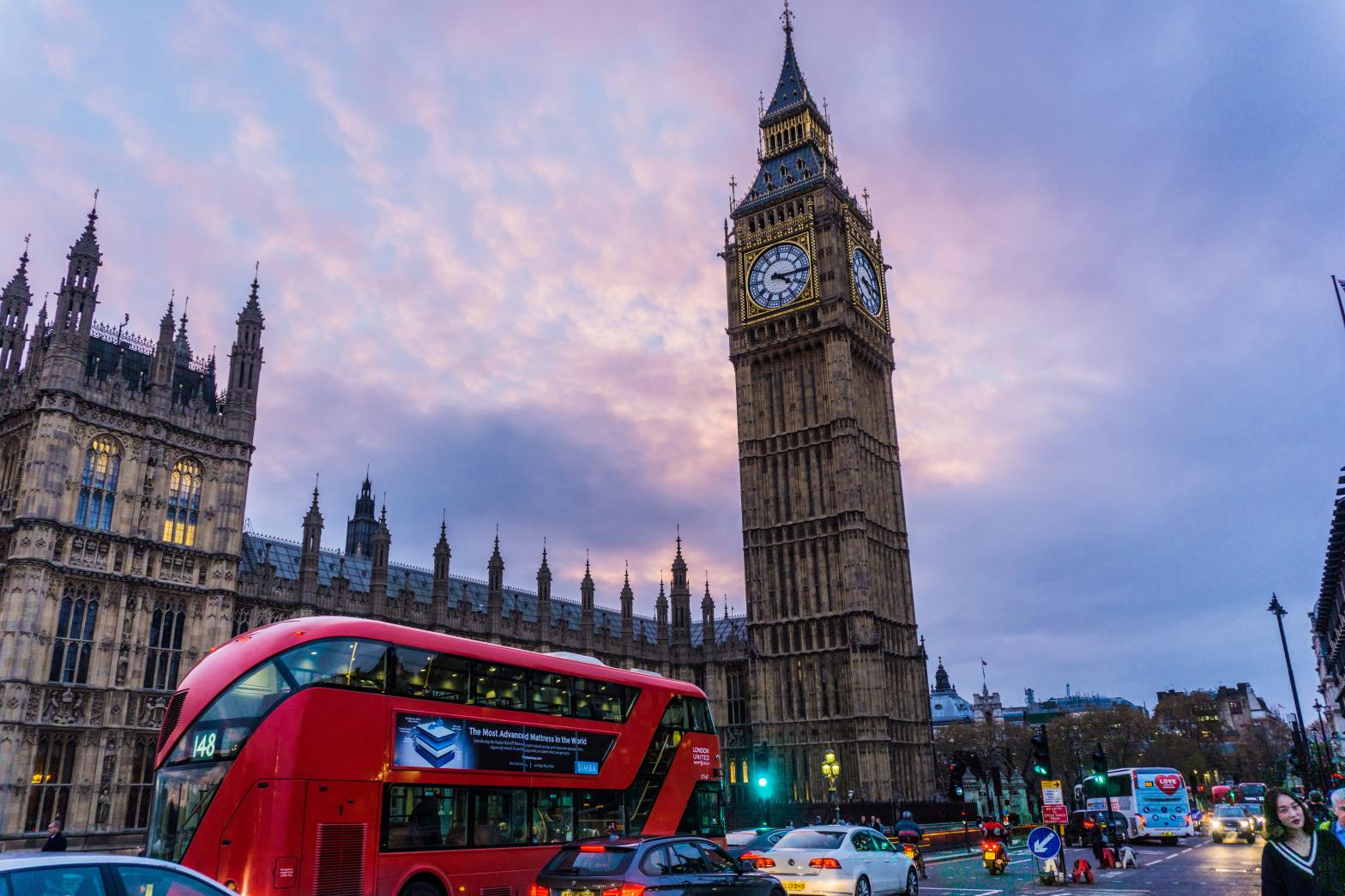
There are few addresses more recognizable than Number 10 Downing Street.
Maybe 1600 Pennsylvania Avenue. But there is something magnetic about the London address that drew me there as soon as I arrived at Heathrow.
This post is one in a series of short posts including the number 10 in the first sentence, a requirement of the San Diego Writers and Editors Guild anthology submission in 2021.
Ten hours wasn’t long enough to see anything in Korea, especially at night.
At least not for a single woman who didn’t speak Korean and was on her own.
This post is one in a series of short posts including the number 10 in the first sentence, a requirement of the San Diego Writers and Editors Guild anthology submission in 2021.
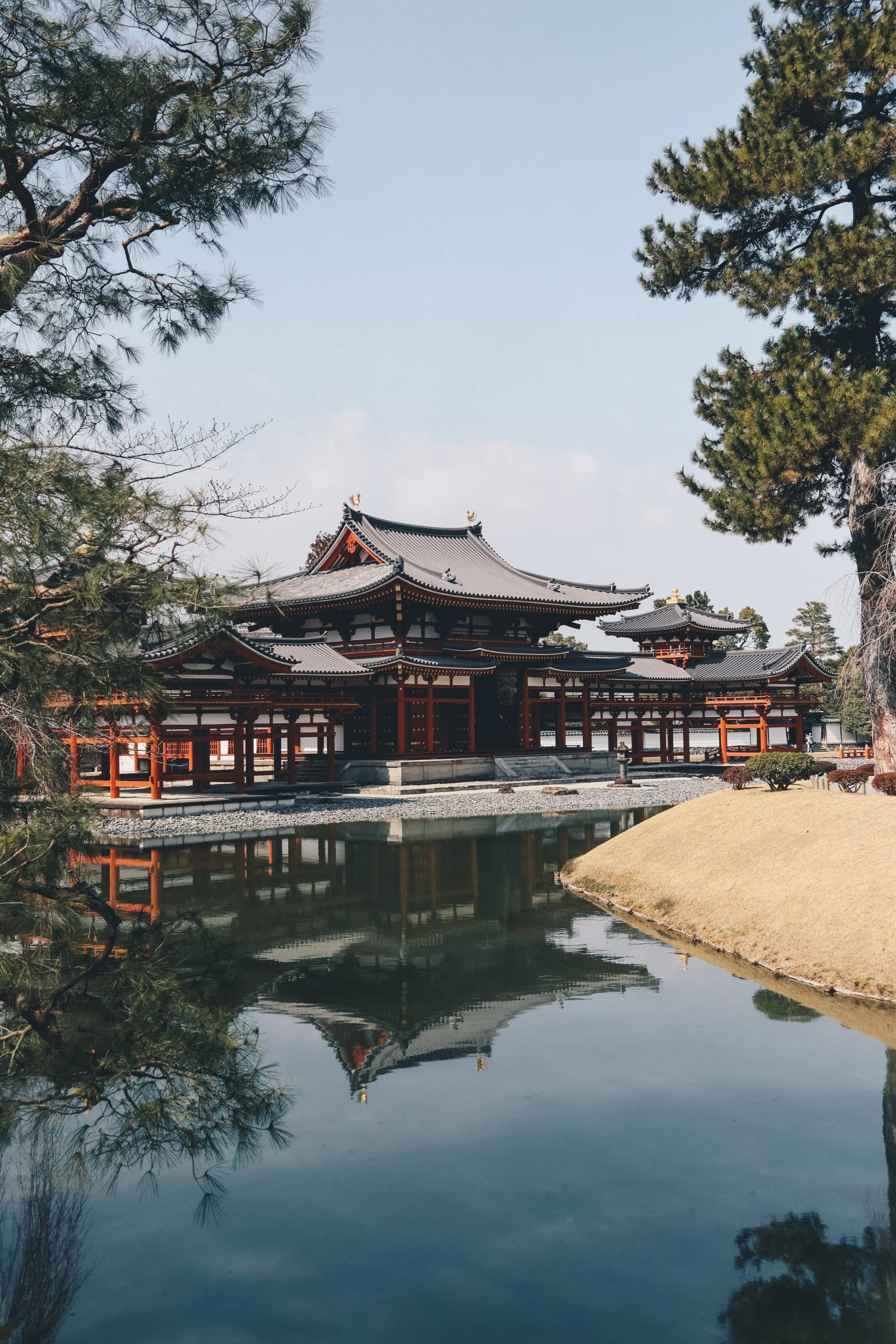
By the time I turned ten, I had read every book about Japan in my school library and the children’s section of the city library.
I was determined to travel there some day. It took 16 more years for that dream to come true.
This post is one in a series of short posts including the number 10 in the first sentence, a requirement of the San Diego Writers and Editors Guild anthology submission in 2021.
I learned in Iran that referring to the future requires only three terms: tomorrow, after tomorrow, and in ten days.
For the first year there, I persisted in behaving those terms meant the same thing as their English equivalents.
Tomorrow to me meant the day after today. And after tomorrow meant a day or two later, an interpretation I considered pretty generous as being less precise than the day after tomorrow. Those were the usual answers.
This post is one in a series of short posts including the number 10 in the first sentence, a requirement of the San Diego Writers and Editors Guild anthology submission in 2021.
Many of those in slavery in Haiti are children of poor families whose parents have given them to a host family with more resources, based on the assumption that their children’s lives will be better, with a possibility of receiving an education and good health care.
Life for these children, known by the Haitian Creole word restavek, is rarely what their parents expect. Restavek children are caught up in a life of domestic chores, often handling jobs no one else is willing to do, without receiving pay, education, or care for their health or happiness.
This post is one in a series of short posts including the number 10 in the first sentence, a requirement of the San Diego Writers and Editors Guild anthology submission in 2021.
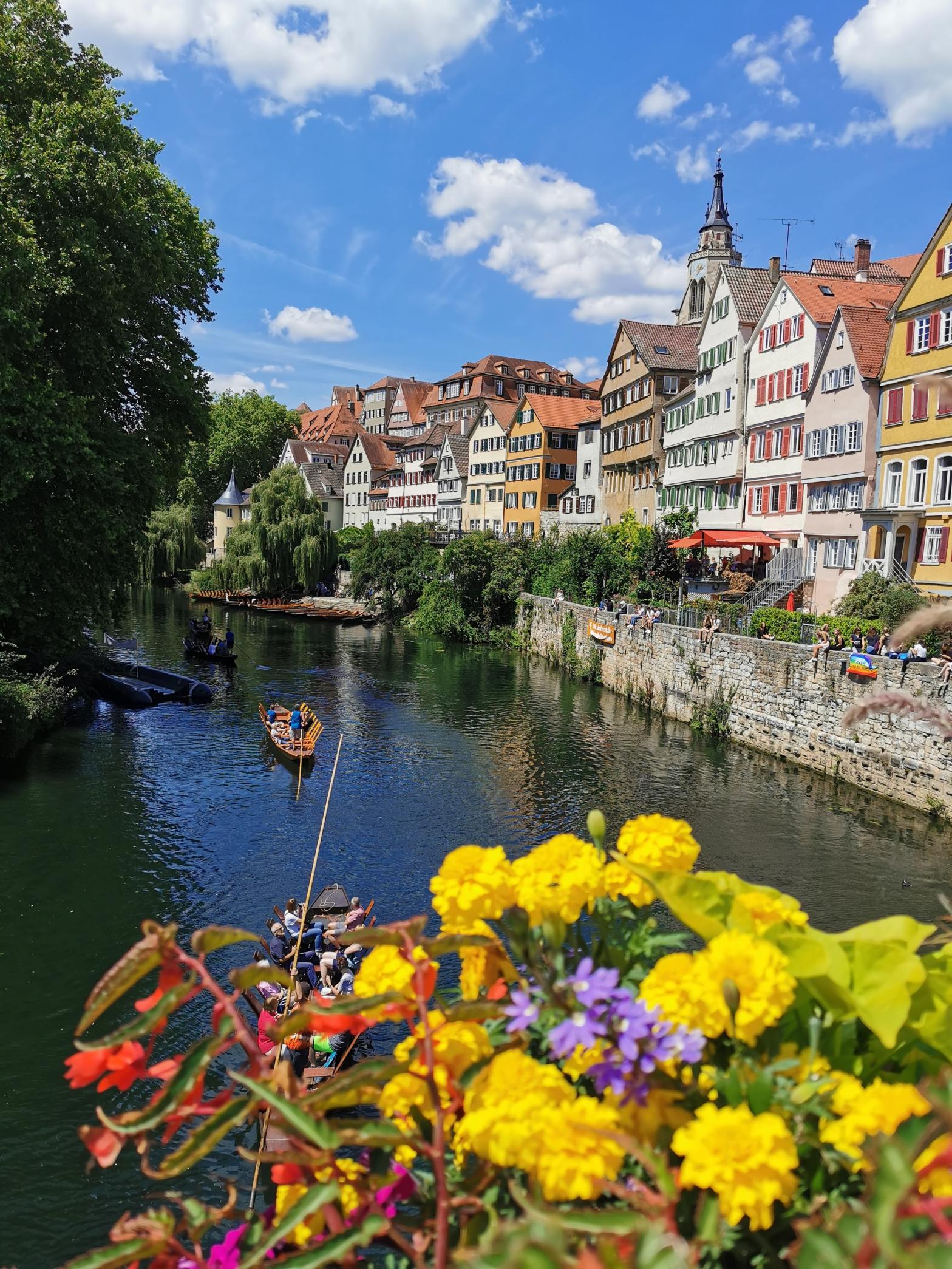
Baden-Württemberg, the second largest of the ten German states that made up former West Germany, was the home of my maternal grandfather’s ancestors.
I’ll bet the folks back there were scandalized when his father, my great-grandfather, returned from Iowa to pick up his girlfriend, eventually my great-grandmother, but he refused to marry her before they left by ship to return to Iowa.
This post is one in a series of short posts including the number 10 in the first sentence, a requirement of the San Diego Writers and Editors Guild anthology submission in 2021.
Image credit: Photo of Tübingen, Baden Württemberg, Germany, by Robin M. on Unsplash
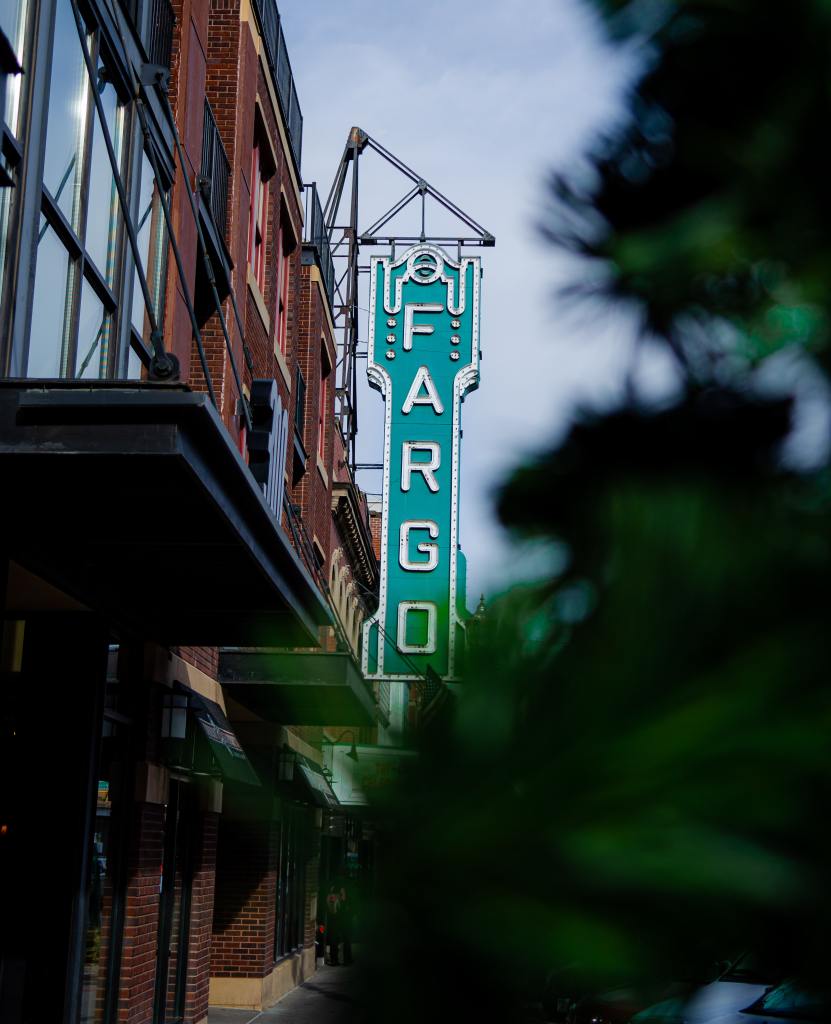
I spent my childhood across the Red River of the North from Fargo, a city I had thought would always be on the bottom of the ten US cities others would never want to visit. I’m not sure how much the Cohn brothers’ movie Fargo had to do with the exceptional changes the city has undergone recently. But I know one thing has not changed in the Fargo-Moorhead area: People in those two towns regularly exhibit examples of what we call Minnesota Nice.
For examples of Minnesota Nice, see this post on an earlier blog platform.
This post is one in a series of short posts including the number 10 in the first sentence, a requirement of the San Diego Writers and Editors Guild anthology submission in 2021.











 sandrayeaman.com