
I used to review books here. I don’t anymore. But when I came across The Baghdad Clock by Shahad Al Rawi, I decided I couldn’t let the opportunity to share a few of the author’s words with others. So, this isn’t a review; it’s just random thoughts about an amazing book written by a womanContinue reading “The Baghdad Clock”
Author Archives: Sandra Yeaman
Happy Independence Day

I didn’t know what a privilege it is to live in the United States until I left to work in other countries. The first one was Iran, governed at that time by the Shah of Iran, Mohammed Reza Pahlavi, and his loyalists in the Iranian parliament. The second was Romania, governed then by Nicolae CeasescuContinue reading “Happy Independence Day”
Afterthoughts About the 2018 A to Z Challenge

I thoroughly enjoyed putting together my 26 posts on Norse Mythology during this year’s A to Z Blogging Challenge. So much, in fact, that I feel I need to take additional steps in my research. For example, one resource I didn’t run across that I would like to find is a timeline for the tales.Continue reading “Afterthoughts About the 2018 A to Z Challenge”
Þ is for Þórr
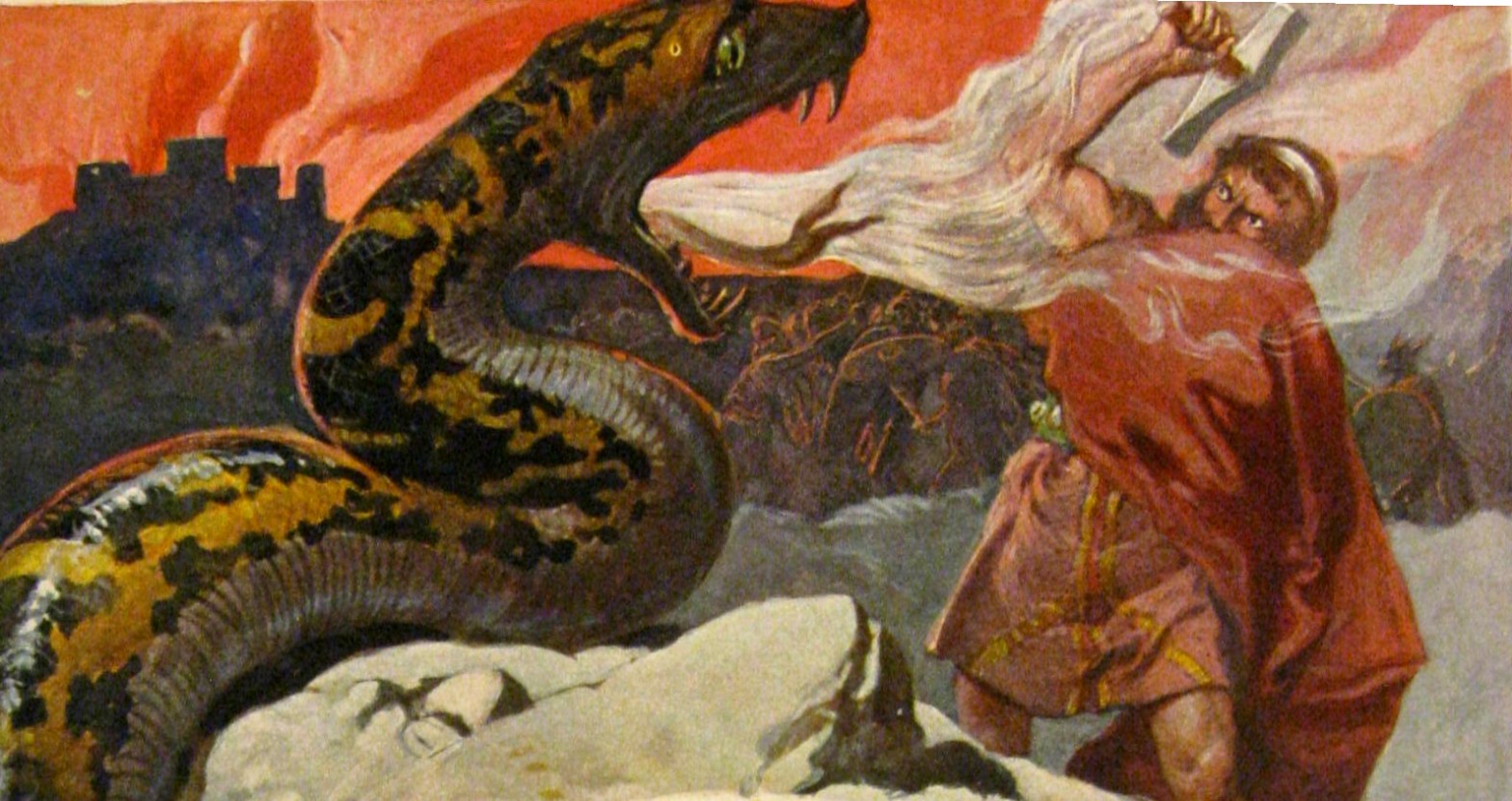
Thor (Old Norse Þórr, Old English Đunor, Old High German Donar, Proto-Germanic *Þunraz, “Thunder”[1]) is one of the most prominent figures in Norse mythology. He was a major god of all branches of the Germanic peoples before their conversion to Christianity, although he reached the height of his popularity among the Scandinavians of the late Viking Age. –from NorseContinue reading “Þ is for Þórr”
Y is for Yggdrasill

At the center of the Norse spiritual cosmos is an ash tree, Yggdrasil (pronounced “IG-druh-sill”; Old Norse Askr Yggdrasils), which grows out of the Well of Urd (Old Norse Urðarbrunnr). The Nine Worlds are held in the branches and roots of the tree. The name Askr Yggdrasils probably strikes most modern people as being awkwardly complex. It means “the ash tree ofContinue reading “Y is for Yggdrasill”
V is for Valhöll

Valhalla (pronounced “val-HALL-uh”; Old Norse Valhöll, “the hall of the fallen”[1]) is the hall where the god Odin houses the dead whom he deems worthy of dwelling with him. –from Norse Mythology for Smart People by Daniel McCoy Norse mythology includes several places where the dead go. Odin’s hall, Valhalla (Hall of the Fallen), and Hel’s underground domain, Hel (theContinue reading “V is for Valhöll”
V is for Vanir
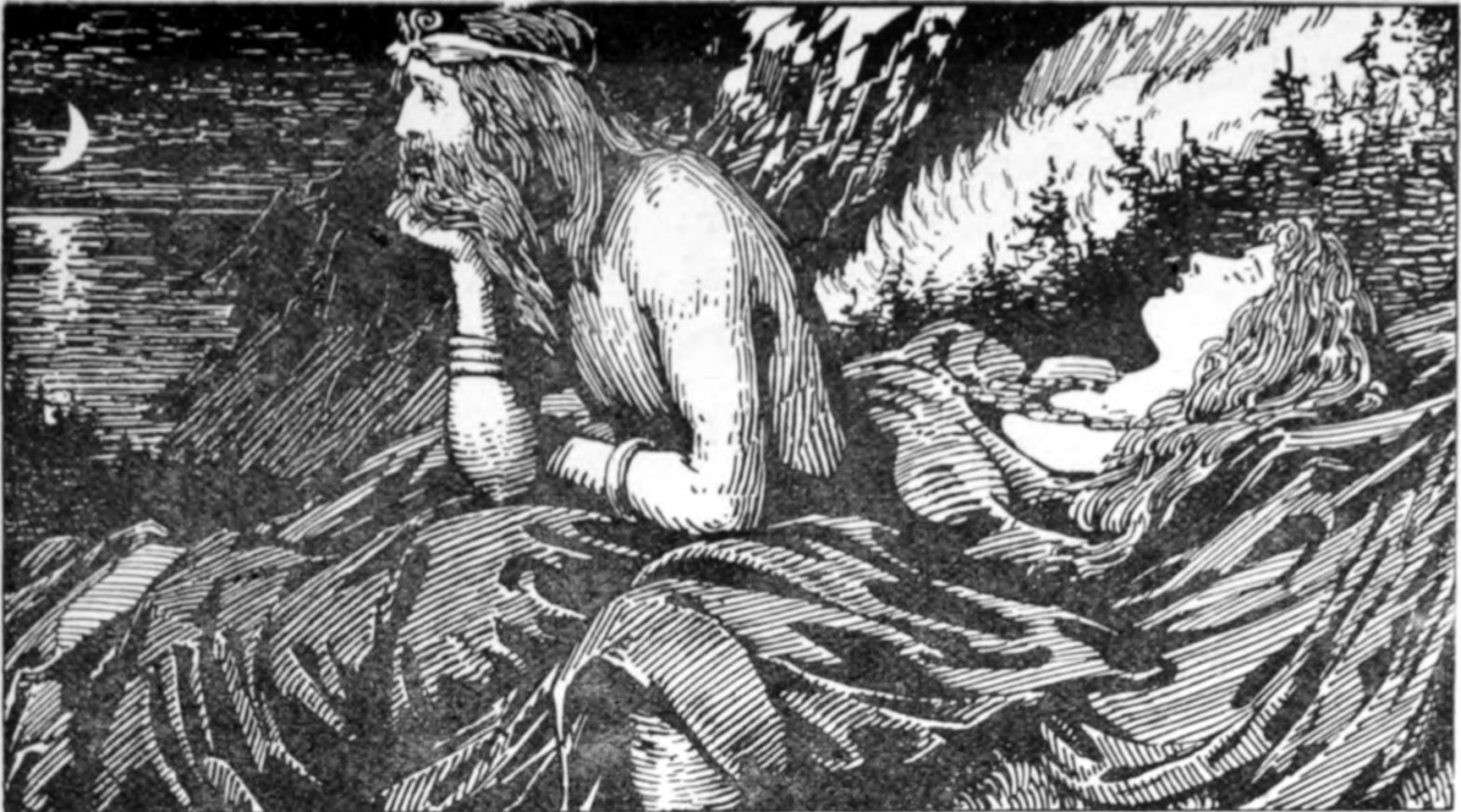
The Vanir (Old Norse Vanir, pronounced “VAN-ear”) are one of the two principal tribes of deities featured in Norse mythology. (The other tribe is the Aesir.) Among their ranks are Freya, Freyr, Njord, and arguably the early Germanic goddess Nerthus as well. Their home is Vanaheim, one of the Nine Worlds held within the branches of the world-tree Yggdrasil. –from Norse Mythology for Smart People byContinue reading “V is for Vanir”
U is for Ullr
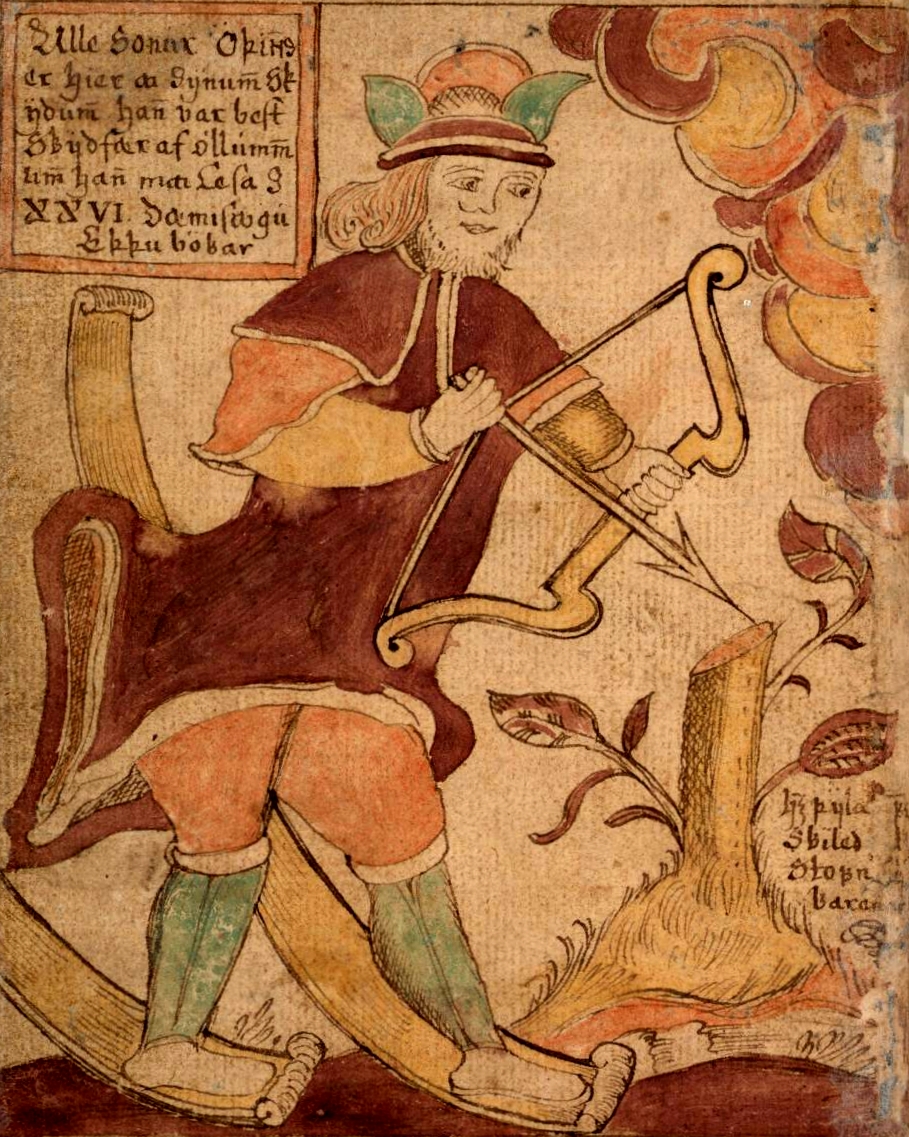
Ullr (pronounced “ULL-er,” often Anglicized as “Ull,” and also occasionally referred to as “Ullinn”) is an obscure and enigmatic Norse god. References to him in Old Norse literature are sparse and tell us little to nothing about his personality or role in pre-Christian religion and mythology. Nevertheless, these passing references indicate that he was once a deityContinue reading “U is for Ullr”
T is for Týr

Tyr (pronounced like the English word “tier”; Old Norse Týr, Old English Tiw, Old High German *Ziu, Gothic Tyz, Proto-Germanic *Tiwaz, “god”[1][2]) is a Norse war god, but also the god who, more than any other, presides over matters of law and justice. His role in the surviving Viking Age myths is relatively slight, and his status in the later partContinue reading “T is for Týr”
 sandrayeaman.com